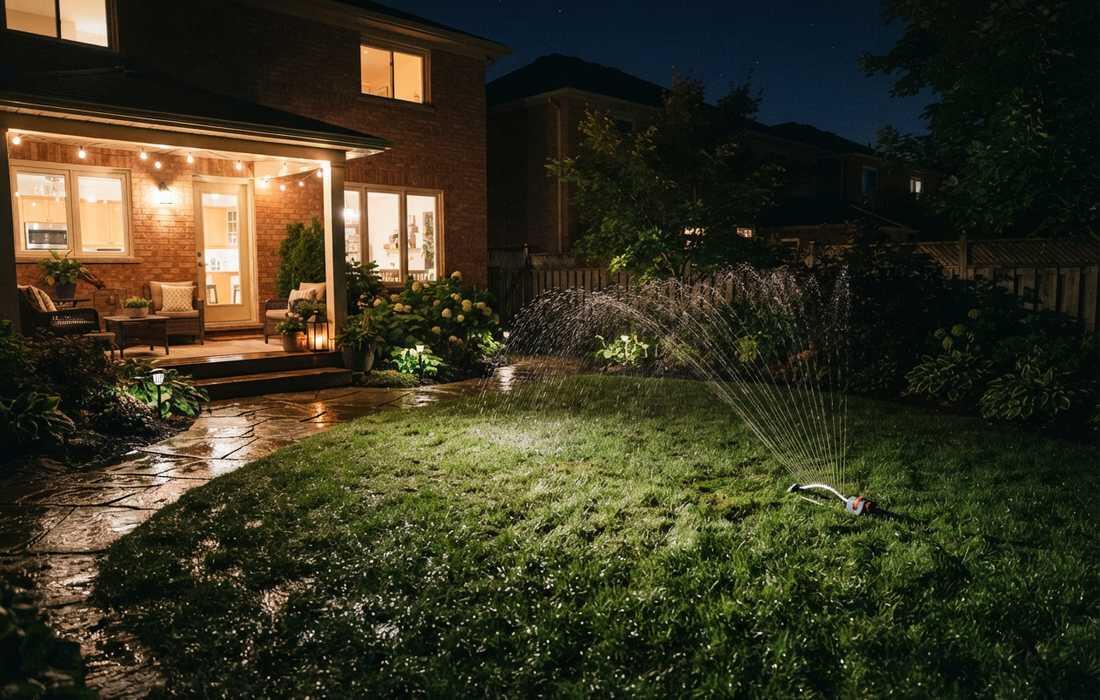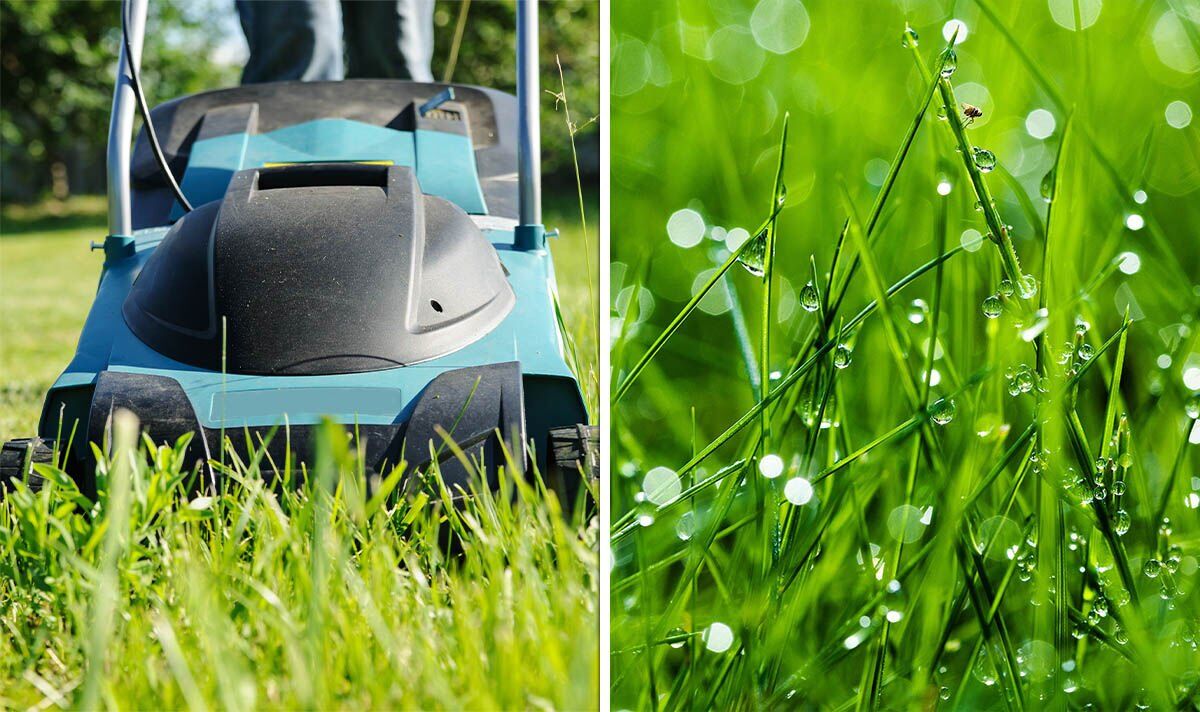
It is generally better to cut grass when it is dry rather than mowing immediately after rain or while morning dew is still present. Dry grass is easier to cut evenly, produces fewer clumps, and is less likely to clog the mower. However, the condition of the soil also matters because mowing on waterlogged ground can damage the lawn even when the grass blades appear dry.
Understanding when to mow, how long to wait after rainfall, and what problems wet mowing can cause can help homeowners maintain a healthier lawn without unnecessary work.
1. Why Cutting Grass When It Is Dry Is Usually Better
Dry grass provides better mowing conditions because the blades remain upright and can pass through the mower more evenly. When grass is wet, moisture makes the clippings heavier, causing them to stick together instead of spreading naturally across the lawn.
The University of Massachusetts Extension explains that wet mowing can cause grass clippings to clump together and make removal necessary. Dry conditions generally produce a cleaner finish and make it easier to leave small clippings on the lawn.
There are several advantages to waiting until the grass dries:
- Cleaner cutting: Dry blades are easier for mower blades to cut evenly.
- Fewer clumps: Clippings are less likely to stick together and cover healthy grass.
- Better equipment performance: Wet vegetation is less likely to accumulate underneath the mower deck.
- Reduced soil damage: Waiting for the ground to become firm helps prevent wheel marks and compaction.
For homeowners who want an even lawn without spending additional time collecting wet clippings, waiting for dry conditions is usually the more practical decision.
2. What Happens When You Mow Wet Grass?
Mowing wet grass does not always destroy a lawn, but it creates several problems that are less common during dry mowing. Wet blades can bend under the mower instead of standing upright, which may produce an uneven finish. Heavy clippings can also accumulate in certain areas and block sunlight from reaching the grass underneath.
Another concern is soil compaction. After heavy rainfall, the ground may become soft enough for mower wheels to press soil particles together. This reduces the air spaces available to grass roots and can affect drainage.
Wet mowing can also spread existing fungal diseases through contaminated grass clippings and mower equipment. The University of Florida IFAS Extension identifies wet grass as a condition that can increase the spread of water-borne plant pathogens.
Common problems include:
- Uneven cutting and patches of longer grass.
- Wet clippings sticking beneath the mower.
- Brown or damaged areas underneath thick clumps.
- Tire tracks and flattened sections.
- Increased risk of spreading existing lawn diseases.
These problems explain why waiting for suitable conditions can save time and prevent unnecessary lawn repairs.

3. Is It Better to Cut Grass Before or After Rain?
If rainfall is expected, mowing before the rain is generally more convenient, provided the grass is dry and the weather conditions are safe. Cutting before rainfall avoids dealing with wet clippings, muddy soil, and slippery surfaces.
However, mowing immediately after rain is usually not a good idea. Even when the rain has stopped, the soil may remain saturated, particularly in shaded gardens, clay-heavy soil, and areas with poor drainage.
Consider these common situations:
Before light rain: If the grass is dry and the soil is firm, mowing before a light shower is usually fine. The rain may help replenish soil moisture afterward.
Immediately after heavy rain: Postpone mowing because the ground may not support the mower’s weight without leaving tracks or causing compaction.
After several hours of sunshine: If the blades have dried and the soil feels firm, mowing may be possible without waiting an entire day.
During repeated rainy weather: Avoid allowing the grass to become excessively tall, but choose the first suitable dry period rather than mowing through saturated ground.
The important point is that the amount of rainfall alone does not determine when mowing is safe. Soil drainage, humidity, sunlight, and grass height all influence the decision.

4. How Long Should You Wait to Mow After Rain?
There is no universal waiting period because lawns dry at different rates. A short shower on a sunny afternoon may leave grass ready for mowing within a few hours. After prolonged rainfall, particularly in shaded areas, the lawn may need considerably longer.
Rather than following a fixed 24-hour rule, check the actual condition of your grass and soil.
Try These Three Simple Checks
- Touch the grass: Run your hand across several sections. If water transfers onto your fingers or the blades feel slippery, wait longer.
- Check your footprints: Walk across the lawn. If your shoes leave deep marks or water rises around your feet, the soil is probably too wet.
- Inspect the ground: Press your foot gently into the soil. If it feels soft and easily compresses, postpone mowing until it becomes firmer.
Pay particular attention to shaded corners and low areas where water collects. These sections often remain wet longer than open parts of the garden.
A useful approach is to check different parts of the lawn rather than assuming that the entire area has dried evenly. If some sections remain saturated, wait before mowing the whole lawn.
5. Can You Mow Grass That Is Wet From Morning Dew?
Morning dew is different from heavy rainfall because it usually creates surface moisture without making the soil completely saturated. Nevertheless, mowing immediately after heavy dew can still produce clumping and an uneven finish.
For example, someone may plan to mow early in the morning before going to work. The lawn might look healthy, but moisture collected overnight can make the grass stick to the mower deck. The result may be uneven rows and additional cleaning afterward.
A better approach is to allow sunlight and airflow to dry the blades before starting.
Consider these practical recommendations:
- Wait until morning dew has evaporated.
- Check shaded areas where moisture may remain longer.
- Avoid mowing if the grass still feels damp when touched.
- Choose a later morning or afternoon period when the lawn is dry and the weather is comfortable.
If the lawn has an existing fungal problem, avoid mowing while the grass is wet. Moving equipment through affected areas can spread disease organisms to otherwise healthy sections.
6. Practical Tips for Mowing After Rain Without Damaging Your Lawn
Sometimes grass grows quickly during rainy weather, and delaying mowing for too long can create another problem. Excessively tall grass may require multiple cuts, and removing too much leaf growth at once can stress the lawn.
The one-third rule is a useful guideline. It means removing no more than one-third of the grass blade’s height in a single mowing session. If the grass has grown considerably, gradually bring it back to the recommended height through successive cuts.
Before mowing after rainfall, follow these steps:
- Check that the grass blades and soil are sufficiently dry.
- Inspect the mower blade and sharpen it if necessary.
- Remove accumulated wet clippings from beneath the mower deck.
- Set the cutting height according to your grass variety.
- Avoid sharp turns that can damage soft turf.
- Change your mowing direction periodically to reduce repeated wheel patterns.
If the lawn contains visible fungal patches, mow healthy areas first and affected areas last. Clean the mower afterward to reduce the possibility of carrying contaminated clippings elsewhere.
If the ground remains waterlogged for several days or repeatedly develops standing water, investigate drainage problems rather than trying to solve the issue through mowing adjustments alone.